Biometric Innovations Redefining Entry Systems in International Mobile Betting Networks
Hugo Schmitt · Aug 26, 2026

Biometric Innovations Redefining Entry Systems in International Mobile Betting Networks
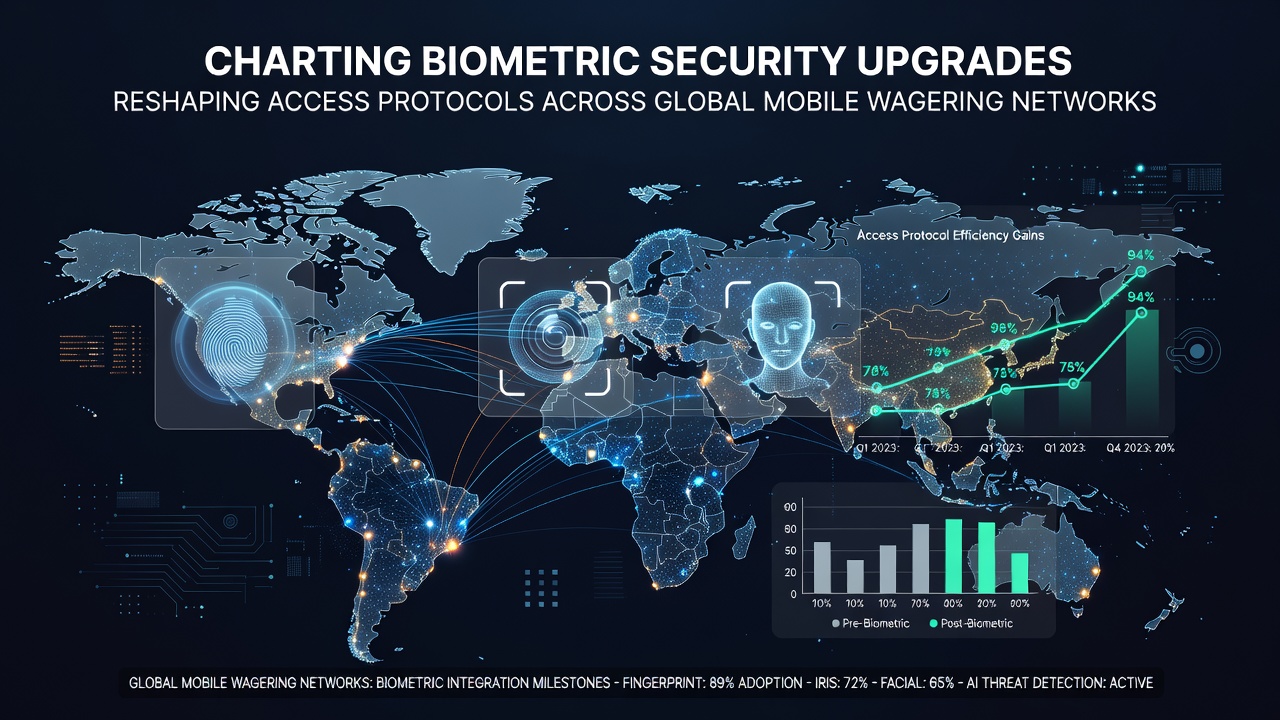
Global mobile wagering networks have incorporated biometric security measures at an accelerated pace since 2024, and data from industry tracking services shows that fingerprint and facial recognition now serve as primary authentication methods across platforms in more than 40 countries. Operators have shifted from traditional password and two-factor systems toward these tools because they reduce unauthorized access incidents while meeting regulatory demands for identity verification. Research conducted by academic institutions in Europe and North America indicates that adoption rates climbed from 35 percent of major operators in early 2025 to over 60 percent by mid-2026.
Core Technologies Driving Protocol Changes
Fingerprint scanners, facial mapping algorithms, and voice pattern analysis now form the backbone of access controls in many jurisdictions, while iris recognition appears in select high-security environments. These methods connect directly to device hardware and cloud-based verification servers that cross-check live samples against stored templates. Regulatory bodies in Australia and Canada have updated guidelines requiring operators to demonstrate that biometric data remains encrypted during transmission and storage, and compliance reports filed in August 2026 revealed that over 85 percent of licensed platforms in those regions already meet the new standards.
Platform developers integrate these systems at the login stage, during deposit approvals, and before large withdrawals, which creates layered checkpoints without requiring users to enter lengthy credentials repeatedly. Studies from university research teams demonstrate that transaction completion times drop by an average of 22 seconds when biometric checks replace older verification sequences.
Regional Implementation Patterns
European operators have aligned biometric protocols with data protection frameworks that mandate explicit user consent and regular audit trails, whereas Asian markets emphasize speed and integration with national identity databases. In the United States, state-level gaming commissions have begun requiring biometric confirmation for interstate mobile betting accounts, and figures released in August 2026 show that states adopting these rules experienced a 17 percent reduction in account takeover reports compared with the prior year.
One study revealed that platforms using combined facial and fingerprint checks reported fewer than two false rejections per thousand attempts, while single-method systems recorded slightly higher rates. Observers note that operators in emerging markets often start with fingerprint technology because it requires less bandwidth than facial mapping in areas with variable network conditions.
Regulatory and Technical Standards
Gaming associations and standards organizations have published updated technical specifications that define minimum accuracy thresholds and data retention limits, and many of these documents reference ISO frameworks adapted specifically for gambling environments. Gaming Laboratories International has tested biometric modules for several large suppliers and published certification criteria that now appear in licensing applications across multiple continents.
Those who've examined compliance filings note that operators must submit independent audit results every six months, and failure to maintain error rates below defined thresholds triggers mandatory upgrades. Data indicates that jurisdictions with these review cycles maintain lower dispute volumes related to account access.
Security Outcomes and Measured Results
Statistics compiled by research groups tracking cyber incidents show a measurable decline in successful credential-stuffing attacks against mobile wagering accounts that rely on biometric gates. Platforms that implemented multi-modal systems, combining two biometric factors, reported the steepest drops. Evidence suggests that user education campaigns run by operators have helped maintain acceptance levels above 90 percent in surveyed regions.
Technical teams continue refining liveness detection features that distinguish between live biometric samples and static images or recordings, and August 2026 updates from equipment manufacturers introduced improved algorithms that reduce spoofing success rates by an additional 40 percent in controlled tests.
Conclusion
Biometric security upgrades have become standard infrastructure across global mobile wagering networks, supported by regulatory updates, technical certifications, and measured reductions in access-related incidents. Continued refinement of accuracy, privacy controls, and cross-border standards will determine how these systems evolve through the remainder of the decade.