Data Trails Behind the Reels: How Player Behaviors Drive Personalized Reward Structures in International Mobile Slot Platforms
Hugo Schmitt · Aug 3, 2026
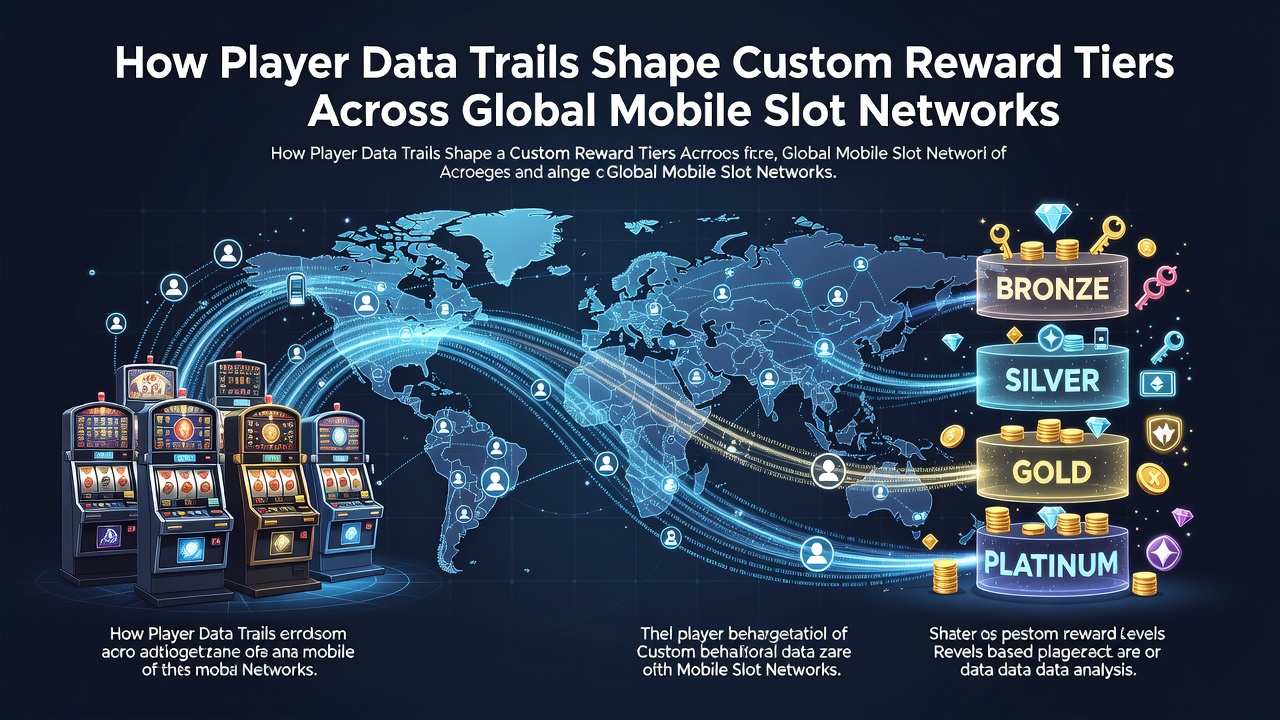
Data Trails Behind the Reels: How Player Behaviors Drive Personalized Reward Structures in International Mobile Slot Platforms
Player activity logs collected across mobile slot platforms create detailed patterns that operators use to adjust reward tiers in real time, and these systems draw from session frequency, wager amounts, game preferences, and device usage data to determine eligibility for customized bonuses. Networks operating in multiple jurisdictions compile this information through centralized analytics engines that segment users into dynamic categories, which then trigger specific reward offers without requiring manual intervention from staff.
Core Components of Player Data Collection
Systems track time spent on individual titles, average bet levels per spin, and patterns of wins versus losses while also logging login times and geographic locations when permitted by local rules, and these elements combine to form profiles that update continuously. Mobile networks in regions such as North America, Europe, and Asia-Pacific maintain separate compliance layers that filter which data points may influence rewards, yet the underlying algorithms remain similar because they rely on the same statistical models to predict future engagement.
Operators integrate this information with third-party verification tools that confirm player identities and spending limits, and the resulting datasets feed into machine-learning models that assign tier levels ranging from entry-level incentives to high-value personalized packages. Data from August 2026 shows continued growth in these automated systems as more platforms adopt cross-border data-sharing agreements under strict regulatory oversight.
Regional Variations in Reward Tier Customization
Platforms serving Canadian markets apply data trails to adjust loyalty points based on provincial requirements, whereas operators in Australian states incorporate additional filters tied to responsible gaming mandates, and these differences produce reward structures that vary even when the same game titles appear on multiple networks. European operators often segment users according to session duration metrics that align with local advertising standards, while Asian platforms emphasize rapid-response bonuses linked to deposit frequency and game variety selections.
One study released by the University of Nevada, Las Vegas examined how wager velocity data influences tier progression across several international operators and found that players who maintain consistent bet sizing over extended periods receive accelerated access to higher reward brackets compared with those who exhibit irregular patterns. This approach allows networks to balance player retention efforts with operational costs because customized tiers reduce the need for broad, untargeted promotions.
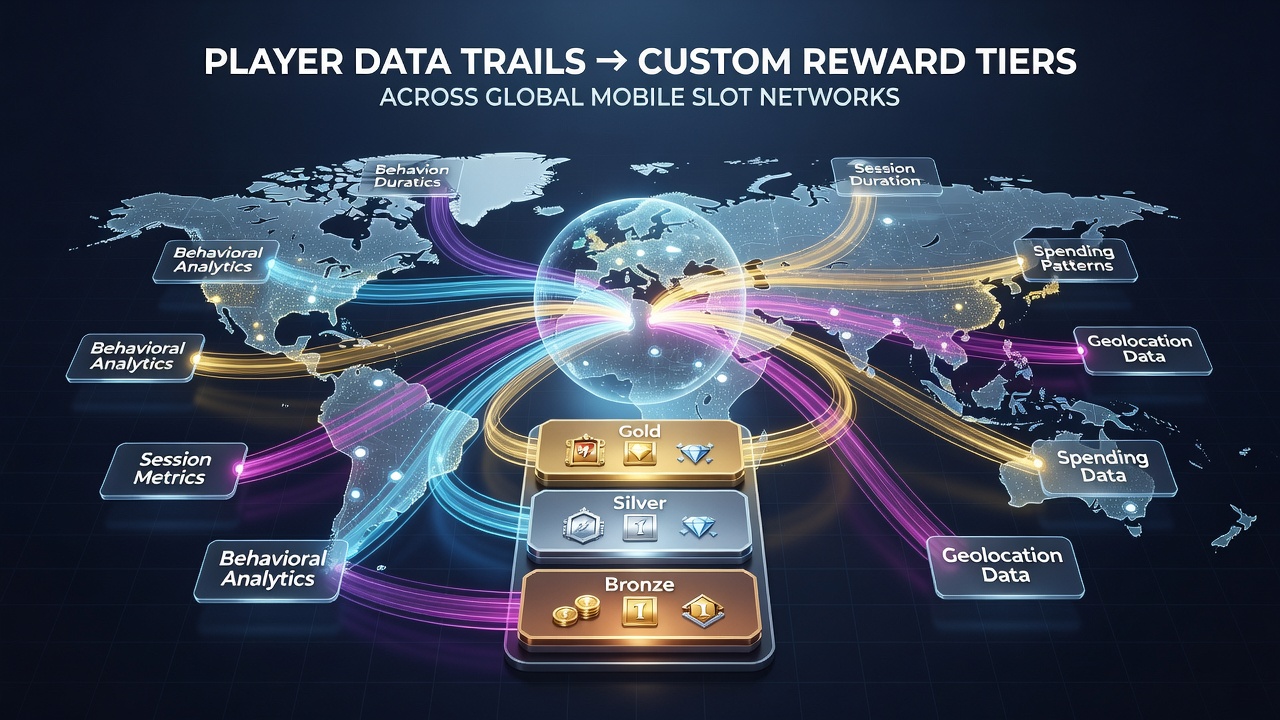
Algorithmic Processes Behind Tier Adjustments
Analytics platforms process incoming data streams through decision trees that evaluate multiple variables simultaneously, and these trees assign weighted scores that determine whether a player qualifies for an upgraded tier or receives a modified bonus structure. Rewards may include free spins scaled to recent activity levels, cashback percentages adjusted according to loss thresholds, or exclusive access to new game releases based on demonstrated preferences. Operators monitor the effectiveness of these adjustments through conversion rates and retention metrics that feed back into the same models for further refinement.
Industry reports from the Ontario Lottery and Gaming Corporation indicate that data-driven tier systems have expanded the range of available rewards while maintaining compliance with spending caps, and similar frameworks appear in Singapore’s regulated market where the Casino Regulatory Authority oversees the integration of player history into promotional offers. Networks that operate globally often maintain separate regional servers to ensure local rules govern which data elements may shape rewards, yet the core logic remains consistent across borders.
Integration with Mobile Platform Features
Mobile slot applications embed data collection directly into gameplay interfaces so that every interaction contributes to the ongoing profile, and push notifications deliver tier-specific offers at moments when historical patterns suggest higher engagement likelihood. Device-specific information such as screen size and operating system also factors into reward calculations because these details correlate with session length and completion rates across different user groups. Networks use this layered approach to create reward tiers that feel individualized without requiring players to navigate complex menus or submit additional information.
Cross-platform synchronization ensures that data trails accumulated on one device carry over to others, and this continuity supports consistent tier status regardless of access method. Operators in multiple markets report that such synchronization improves the accuracy of reward predictions because complete activity histories reduce gaps that might otherwise lead to misclassified players.
Conclusion
Player data trails continue to determine the structure of custom reward tiers across global mobile slot networks through systematic collection, regional compliance adjustments, and algorithmic processing that adapts offers to individual patterns. These systems operate under varying regulatory frameworks yet share common technical foundations that prioritize measurable activity metrics over static categories, and ongoing developments in August 2026 reflect further refinement of these processes as networks expand their analytical capabilities while adhering to jurisdiction-specific requirements.