Digital Currency Integration Reshapes Reward Systems in Mobile Slot Platforms Under Regional Oversight
Logan Hansen · Jun 17, 2026

Digital Currency Integration Reshapes Reward Systems in Mobile Slot Platforms Under Regional Oversight
Portable reel entertainment continues to evolve as digital currencies weave into player reward structures, creating pathways that link bonuses directly to blockchain-based tokens while operators juggle differing rules across jurisdictions, and observers note this integration accelerates particularly around mid-2026 when several frameworks undergo scheduled reviews.
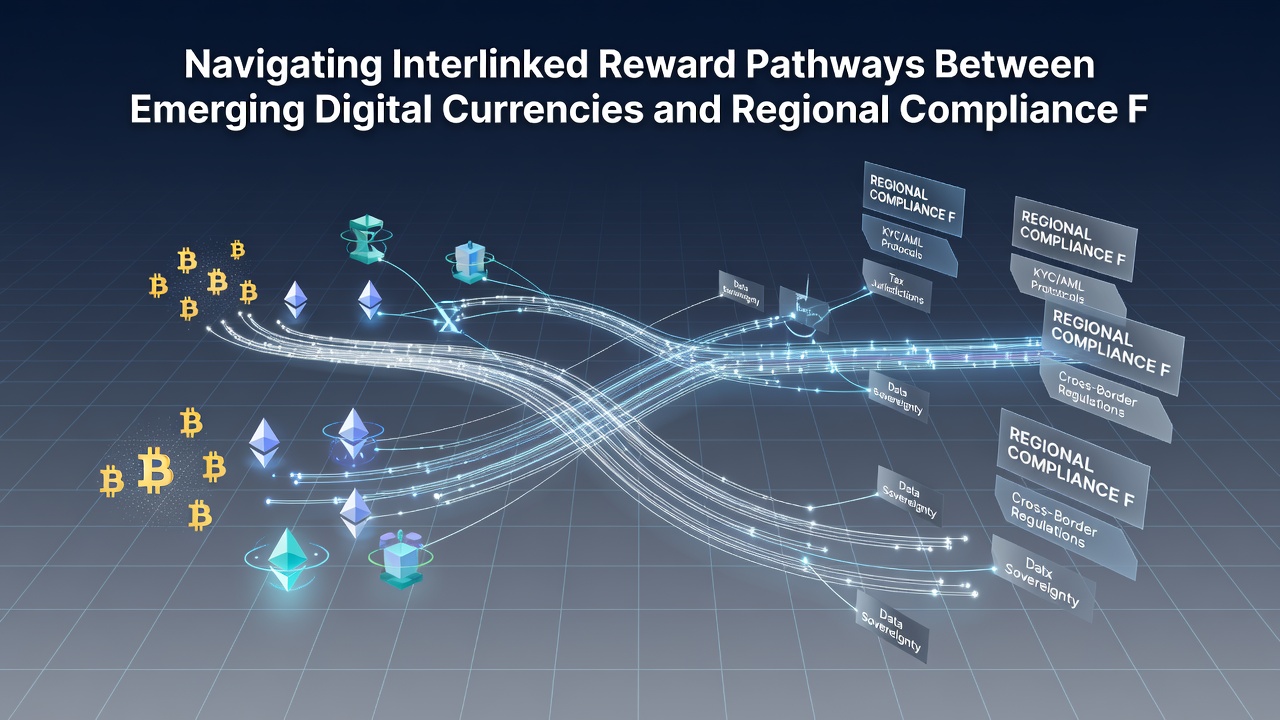
Emerging digital currencies such as stablecoins and tokenized loyalty points now feed into mobile slot ecosystems through seamless deposit and withdrawal mechanisms that bypass traditional banking rails in many markets, yet regional compliance demands force platforms to segment these pathways according to local statutes on financial instruments and gaming activities.
Mapping Reward Pathways in Portable Formats
Players encounter interlinked systems where in-game achievements convert into crypto-denominated credits that carry over between sessions and devices, and developers design these mechanics to comply with anti-money laundering protocols that vary sharply between North American states and European member countries, with data from industry reports showing transaction volumes rising steadily into 2026.
Take one platform that routes slot spin rewards through a proprietary token tied to a public ledger, allowing instant conversion while embedding geofencing that restricts access based on user location detected via IP and device signals, and this approach aligns with guidelines issued by bodies like the Malta Gaming Authority which emphasize transparent fund tracing without halting innovation in mobile delivery.
Regional Compliance Pressures Shape Design Choices
Frameworks in Asia-Pacific territories often require separate licensing for crypto-enabled features, compelling operators to maintain parallel reward ledgers that isolate digital currency elements from fiat-based bonuses, whereas Canadian provincial regulators focus on consumer protection disclosures that mandate clear explanations of volatility risks attached to any tokenized incentives offered in reel-based games.
What's interesting here involves the synchronization of these rules with technical standards, since portable applications must update their backend protocols dynamically to reflect policy shifts, and research from academic centers tracking gaming technology indicates that non-compliance triggers account freezes more frequently when cross-border play occurs without proper verification layers.
June 2026 Developments and Ongoing Adjustments
By June 2026 several updates take effect including expanded reporting requirements from Australian oversight entities that now classify certain digital currency rewards as reportable gambling winnings, prompting mobile slot providers to integrate automated tax calculation modules directly into user dashboards for real-time compliance, while similar moves appear in select Latin American markets testing hybrid models.
Those who've examined the data patterns observe that reward pathways fragment further when platforms attempt global rollouts, forcing segmented user experiences where one region sees full crypto integration and another receives only fiat equivalents to satisfy stricter capital controls, and this segmentation relies on sophisticated backend routing that draws from both regulatory databases and blockchain oracles for verification.
Technical Navigation Strategies Employed by Operators
Operators deploy API connections that query compliance databases before processing any reward redemption involving digital currencies, ensuring tokens do not flow into restricted accounts, and partnerships with established payment processors help bridge gaps where direct crypto handling remains prohibited under local banking statutes in parts of the Middle East and Africa.
Evidence from sector analyses reveals that successful navigation often hinges on modular architecture allowing quick toggles for feature availability, so a single codebase supports multiple regional variants without rebuilding entire applications each time a framework revises its stance on tokenized entertainment incentives.
Conclusion
Interlinked reward pathways between digital currencies and portable reel entertainment continue adapting to regional compliance landscapes through layered technical and operational measures that prioritize traceability and user segmentation, with ongoing refinements expected as frameworks mature beyond June 2026 and new data emerges from cross-jurisdictional studies conducted by international trade groups.