Following Digital Footprints: Asset Tracing in Portable Live Table Gaming
Zara Schmitz · Aug 19, 2026
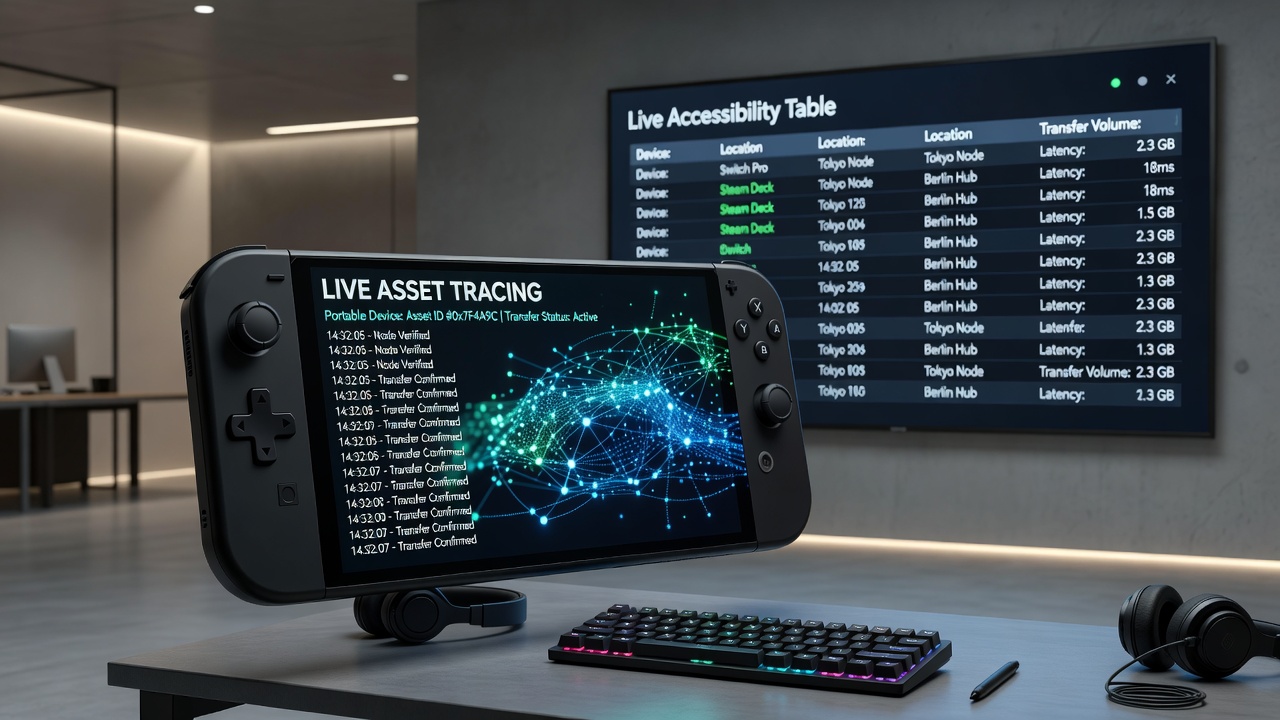
Following Digital Footprints: Asset Tracing in Portable Live Table Gaming
Portable gaming devices now serve as primary interfaces for live table games where players access real-time dealer interactions while initiating digital asset transfers through integrated wallets and payment rails, and observers note that this accessibility creates detailed transaction logs that regulators and platforms can examine for compliance and security purposes. Research indicates that blockchain-based ledgers combined with device-level APIs allow continuous monitoring of fund movements during sessions on smartphones and tablets, while data from industry reports shows increased adoption of these tools across multiple jurisdictions since the mid-2020s.
Technical Mechanisms Behind Transfer Visibility
Live table applications on portable devices embed session identifiers that link each bet placement directly to wallet addresses or account tokens, and this linkage enables forensic reconstruction of asset flows even when players switch between Wi-Fi and mobile data networks. Experts have observed that encryption protocols paired with timestamped event streams permit authorities to trace sequences from deposit through wager settlement and withdrawal without interrupting gameplay, whereas studies from research institutions highlight how API calls from the device report balances and transfer confirmations in near real time. By August 2026, several platforms had implemented enhanced logging standards that captured granular metadata including device geolocation and network type during each live table interaction.
Regulatory Frameworks Across Regions
Government agencies in different areas apply distinct oversight models to these traceable transfers, with the Pennsylvania Gaming Control Board requiring operators to maintain immutable records of all digital asset movements tied to live dealer sessions on mobile platforms. In contrast, the South Australian Independent Gambling Authority focuses on consumer protection metrics derived from the same transfer data, and figures reveal that both approaches rely on standardized reporting formats developed through industry working groups. Those who have examined cross-border cases note that cooperation agreements between these bodies facilitate shared access to anonymized datasets when investigations span multiple regulatory territories.
Case Examples from Operational Environments
One documented implementation involved a major operator integrating device fingerprinting with live table software so that any asset transfer exceeding a set threshold triggered an automated compliance flag visible to both the platform and relevant oversight body, and analysts reported that this system reduced review times for suspicious activity reports by connecting mobile session data directly to on-chain verification tools. Another scenario emerged when researchers at a North American academic center analyzed aggregated logs from portable devices and discovered patterns showing how players moved assets between live blackjack tables and slot sections within single sessions, while the resulting paper emphasized the value of such visibility for understanding player behavior under regulated conditions. Observers note that these examples demonstrate practical applications rather than theoretical possibilities.
Security and Compliance Integration
Device manufacturers and gaming software providers collaborate on secure enclaves that isolate wallet functions from the main operating system, thereby protecting transfer integrity while still allowing authorized parties to audit the resulting records, and this architecture supports both player privacy and regulatory access. Data patterns collected through these channels feed into risk assessment models used by compliance teams, with evidence suggesting that early detection of unusual transfer sequences during live table play has become a standard feature in updated platform releases. Those who've studied implementation timelines point out that portable gaming accessibility has accelerated the shift toward unified logging standards across live dealer products.
Future Developments in Traceability Standards
Industry associations continue to refine protocols for embedding verifiable credentials into each digital asset transfer initiated from portable devices during live table sessions, and upcoming specifications aim to standardize how metadata travels alongside funds without adding latency to the player experience. Reports from trade groups indicate ongoing pilots that test real-time dashboard views for regulators, allowing remote monitoring of aggregate flows rather than individual transactions. Researchers continue to evaluate the effectiveness of these evolving tools in maintaining both operational efficiency and oversight capabilities.
Conclusion
Tracing digital asset transfers through live table accessibility on portable gaming devices rests on interconnected technical, regulatory, and operational elements that together produce auditable records of fund movements. Multiple jurisdictions apply these capabilities under frameworks tailored to local priorities, while technical advancements support ongoing improvements in detection and reporting accuracy. The integration of device-level logging with live dealer environments provides a foundation for continued development in this area of digital entertainment oversight.