Mapping Cultural Influences on Game Design Choices in Worldwide Digital Betting Environments
Zara Schmitz · May 20, 2026

Mapping Cultural Influences on Game Design Choices in Worldwide Digital Betting Environments
Digital betting environments around the world reflect distinct cultural priorities through their game mechanics, visual themes, and reward systems, as developers adapt content to match regional preferences and regulatory frameworks. Observers note that these adaptations often involve deep dives into local symbolism, color palettes, and narrative traditions rather than simple translations of existing titles.
Regional Symbolism Shapes Core Mechanics
Game studios incorporate specific motifs drawn from target markets, such as dragons and golden coins in East Asian releases or Aztec calendars and harvest festivals in Latin American offerings, because these elements resonate with established beliefs about fortune and prosperity. Research from industry reports shows that slots featuring koi fish or cherry blossom animations see higher engagement rates in Japan and South Korea, while European titles lean toward historical myths or sports references to align with local entertainment patterns. Developers frequently adjust bonus rounds accordingly, replacing generic free spin features with culturally specific events like temple explorations or carnival parades that maintain the same mathematical structure yet feel native to each audience.
Regulatory Environments Drive Design Constraints
Government rules in various jurisdictions influence everything from payout displays to visual intensity, forcing studios to modify animations and sound layers before launch. In Canada, provincial oversight requires clear probability disclosures integrated directly into interfaces, leading designers to embed explanatory pop-ups that use neutral tones instead of flashy effects. Australian markets impose similar transparency measures, prompting teams to tone down celebratory sequences after smaller wins to comply with harm-minimization guidelines. These adjustments create visible differences across platforms, where a single base game might appear subdued in one region yet vibrant in another after localization teams recalibrate its presentation layers.
What's interesting here is how these rules intersect with cultural expectations, since players in stricter markets still seek excitement but through pathways that respect local norms around risk communication. Data from regulatory filings indicate that platforms operating across multiple borders maintain separate asset libraries precisely to meet these varied requirements without rebuilding entire titles from scratch.
Technological Adaptations Meet User Habits
Mobile interfaces reveal further cultural tailoring, with Asian markets favoring rapid-fire mini-games and social sharing prompts that mirror popular messaging app behaviors, whereas North American versions emphasize leaderboard competitions and achievement badges tied to seasonal events. Developers test color contrasts and icon sizes against eye-tracking studies conducted in each territory, because readability standards differ alongside language scripts and traditional viewing distances. Soundtracks also shift, incorporating traditional instruments like the erhu in Chinese releases or samba rhythms in Brazilian ones, while keeping core audio cues for wins and near-misses consistent to preserve player familiarity.
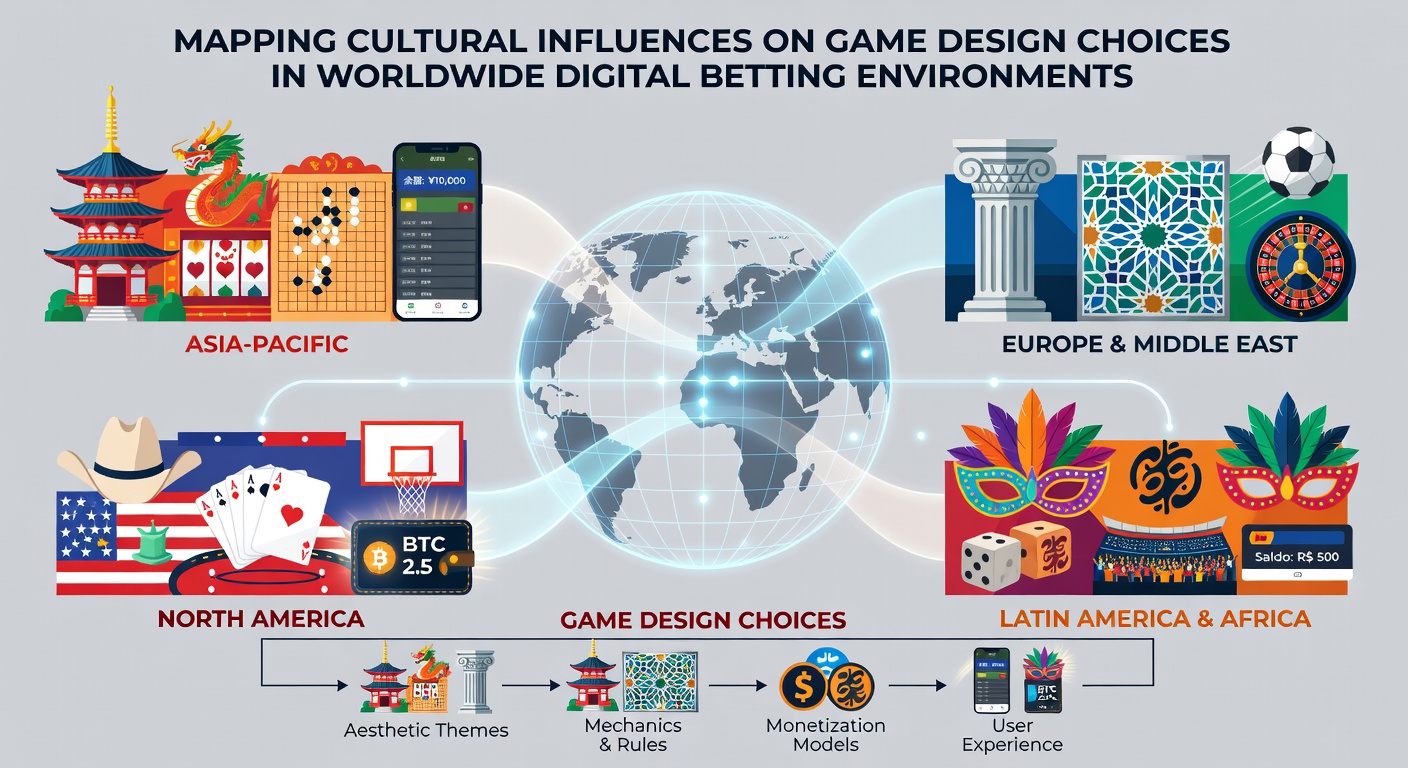
By May 2026, several major platforms had rolled out unified back-end systems that allowed real-time swapping of these cultural assets based on detected user location, reducing development overhead while expanding reach into emerging markets across Africa and Southeast Asia. Industry organizations such as the European Gaming and Betting Association have documented similar modular approaches in their annual technology reviews, highlighting efficiency gains without compromising regional authenticity.
Case Examples from Major Markets
One studio adapting a popular fishing game for Middle Eastern audiences replaced marine life with desert wildlife and shifted reward animations toward geometric patterns inspired by traditional architecture, maintaining identical hit frequencies yet achieving better retention metrics according to internal analytics. Another project targeting Indian players introduced cricket-themed bonus rounds and Diwali festival lighting effects, which aligned gameplay loops with national sporting calendars and holiday periods. These modifications demonstrate how narrative wrappers can vary widely while core random number generation remains constant across releases.
Academic studies on player behavior further reveal that culturally aligned audio-visual cues reduce cognitive load during extended sessions, allowing participants to focus more on strategic choices where permitted. Observers tracking platform data note consistent patterns where localized versions outperform generic international builds by measurable margins in active user time and repeat visits.
Conclusion
Worldwide digital betting continues to evolve through deliberate integration of regional cultural markers into game architecture, supported by flexible technology stacks and responsive regulatory navigation. These design choices enable broader accessibility while preserving distinct identities that appeal to diverse player bases across continents. Continued monitoring of market data and technological advancements will likely refine these mappings even further in coming years.