Protocols for Verifying Players Across International Borders in Online Wagering Systems
Hugo Schmitt · Jul 6, 2026

Protocols for Verifying Players Across International Borders in Online Wagering Systems
Digital wagering environments operate across multiple jurisdictions, which means operators must reconcile differing requirements for confirming player identities before allowing deposits or withdrawals; these protocols combine elements of know-your-customer procedures with anti-money laundering checks that adapt to each region's legal framework.
Core Elements of Verification Systems
Operators collect government-issued identification documents, proof of address, and sometimes biometric data to establish a player's identity, while automated systems cross-reference this information against databases maintained by credit agencies or public records offices. Research indicates that most platforms complete initial verification within minutes when documents meet standardized formats, yet delays occur when submissions come from countries with limited digital record-keeping infrastructure.
Multi-factor authentication layers add another step, requiring players to confirm details through email, SMS, or dedicated apps that generate one-time codes. Those who've studied implementation patterns observe that successful systems reduce fraud rates by matching device fingerprints and IP geolocation data against declared residential addresses.
Regional Regulatory Differences
European Union member states align many verification steps under the eIDAS framework, which permits qualified electronic signatures to satisfy identity checks across borders, whereas North American jurisdictions often maintain separate rules at the state or provincial level. Australian regulators, for instance, emphasize source-of-funds declarations in addition to basic identity confirmation, creating extra documentation requirements for larger transaction volumes.
Data from the Canada Revenue Agency shows that licensed platforms in Ontario and other provinces must integrate real-time reporting to provincial oversight bodies, which adds another verification checkpoint not always present in Asian markets. In contrast, several Latin American countries have begun aligning their standards with FATF recommendations, though enforcement timelines vary widely.
Technology Driving Cross-Border Checks
Artificial intelligence tools scan submitted documents for tampering indicators such as altered dates or mismatched fonts, while blockchain-based ledgers allow certain operators to store hashed verification records that multiple jurisdictions can access without exposing full personal details. Studies from research institutions indicate these methods cut manual review times by up to 60 percent in high-volume environments.
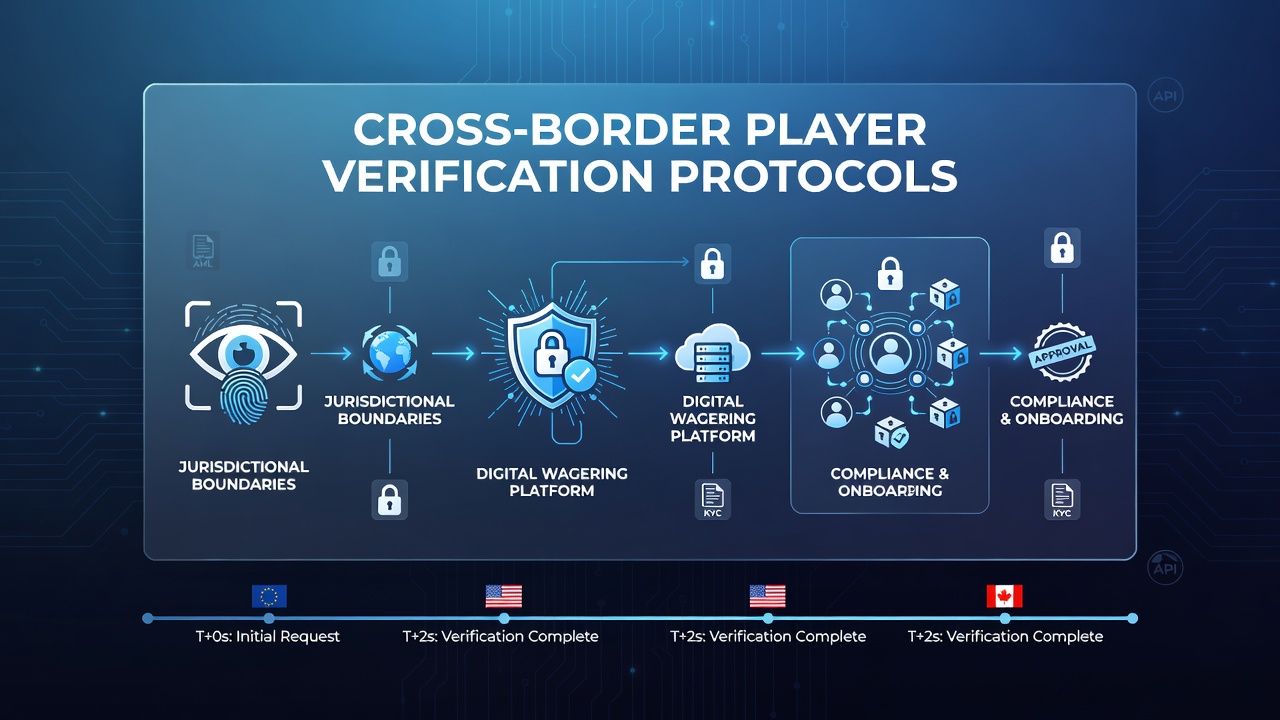
Secure APIs connect wagering platforms to government identity databases in participating countries, enabling instant validation of passports or national ID numbers. Observers note that adoption of these connections accelerated after July 2026 when several new bilateral data-sharing agreements took effect between European and select Asian regulators.
Practical Challenges Operators Face
Privacy laws such as GDPR in Europe restrict how long platforms may retain certain player data, which conflicts with record-keeping mandates in other regions that require five-year retention periods. Operators therefore maintain segmented data storage systems that apply different deletion schedules depending on the player's primary jurisdiction.
Language barriers and varying document formats create additional friction, particularly when players submit identification from countries that use non-Latin scripts. Automated translation and optical character recognition tools help bridge these gaps, yet human review remains necessary for edge cases involving dual citizenship or recently updated legal names.
Industry Responses and Standards
Trade associations have developed voluntary guidelines that encourage consistent minimum verification thresholds while respecting local sovereignty. One study revealed that platforms following these guidelines experienced fewer account freezes during regulatory audits compared with those relying solely on internal policies.
Take one operator active in both Canadian and Australian markets who noticed that unified verification workflows reduced player drop-off rates at the deposit stage. The same entity implemented adaptive questioning that adjusts based on transaction size and geographic risk profiles, a practice now referenced in multiple compliance training programs.
Conclusion
Cross-border player verification continues to evolve as new technologies and regulatory alignments emerge, with operators balancing speed, security, and compliance across an expanding list of jurisdictions. Continued collaboration between regulators and technology providers shapes the next generation of protocols that will govern digital wagering environments worldwide.