Synchronization Dynamics in Secure Transaction Systems and Multiplayer Slot Operations on Mobile Platforms
Logan Hansen · Aug 15, 2026
Synchronization Dynamics in Secure Transaction Systems and Multiplayer Slot Operations on Mobile Platforms
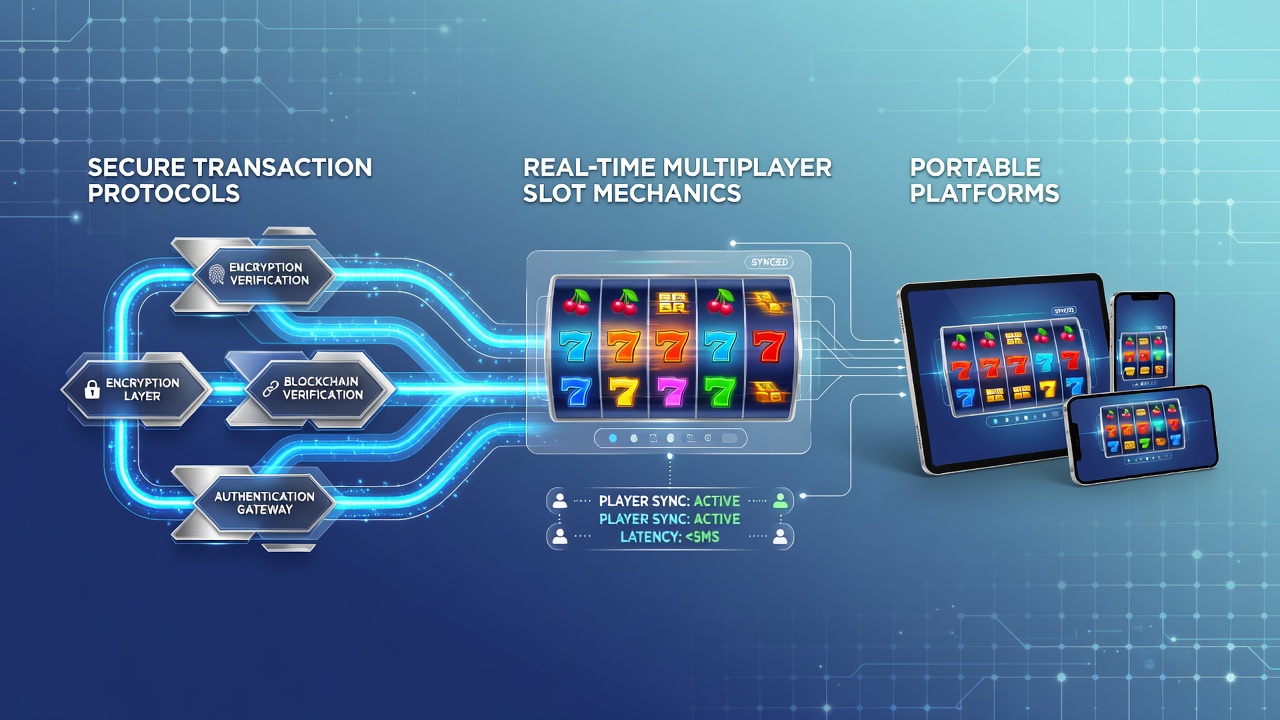
Developers working with portable platforms have traced how secure transaction protocols align with real-time multiplayer slot mechanics through layered encryption layers and timestamped data streams, and these alignments support simultaneous player actions across distributed servers while maintaining financial integrity during active sessions.
Secure transaction protocols typically rely on end-to-end encryption standards that process deposits and withdrawals in milliseconds, while real-time multiplayer slot mechanics depend on synchronized random number generators and state updates that reflect every spin outcome for all participants at once, and the connection between these two elements becomes critical when multiple users place bets on the same game instance from different geographic locations.
Core Components of Protocol Alignment
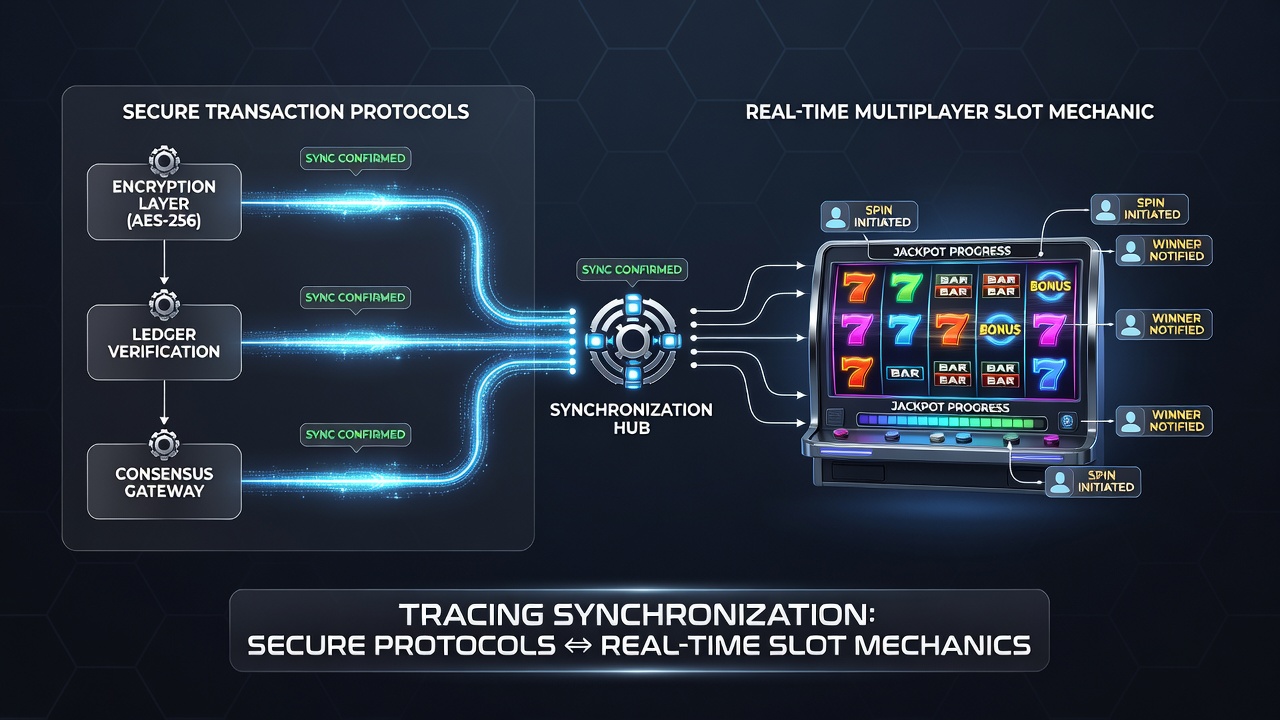
Engineers map transaction confirmations directly to game state changes by embedding payment verification tokens within each spin request packet, and this method allows the system to reject any action that lacks a valid funds authorization before the reels even begin to turn, whereas older systems handled payments in separate threads that sometimes created delays visible to players during peak hours.
Portable platforms introduce additional variables because network latency fluctuates with cellular handoffs and Wi-Fi transitions, so synchronization routines incorporate predictive buffering that anticipates packet arrival times and adjusts slot outcome displays accordingly without altering the underlying random results generated on the server side.
Studies from academic institutions have examined how these buffers maintain fairness across sessions that last several minutes, and data collected from test environments show that timing offsets rarely exceed 120 milliseconds when the protocols are calibrated for both transaction security and game responsiveness at the same time.
Implementation Patterns Observed in 2026
As of August 2026, platform operators report that integration testing between transaction ledgers and slot engines occurs through API gateways that log every fund movement alongside corresponding game events, and these logs enable post-session audits that verify no discrepancies exist between player balances and displayed outcomes across all connected devices.
One implementation uses a dual-channel architecture where the transaction channel operates on a separate port from the game update channel, yet both channels reference a shared session identifier that ties each financial event to its mechanical counterpart in the slot sequence, and this separation reduces the risk of interference when network conditions degrade suddenly on mobile networks.
Observers note that portable devices running the latest operating systems handle these dual channels more efficiently because of improved background process management, while older hardware sometimes requires fallback modes that lower graphical fidelity to preserve synchronization accuracy during extended multiplayer rounds.
Regulatory and Technical Oversight
According to information published by the Canadian Gaming Association, testing protocols for mobile slot systems now include mandatory checks for transaction-to-mechanics alignment under simulated high-latency conditions that mimic real-world travel scenarios, and these checks have become standard practice for operators seeking certification in multiple jurisdictions.
Additional guidance from the Australian Communications and Media Authority highlights requirements for timestamp precision in cross-border sessions, and compliance documentation shows that systems must demonstrate consistent ordering of events even when players connect from regions with different time zones and network infrastructures.
Researchers have documented cases where minor clock drift between a player's device and the central server created temporary mismatches in displayed balances, yet automated reconciliation routines resolved these issues within two seconds without player intervention in most documented instances.
Conclusion
The tracing of synchronization between secure transaction protocols and real-time multiplayer slot mechanics on portable platforms reveals a set of interconnected technical requirements that continue to evolve with changes in mobile hardware and network standards, and ongoing monitoring ensures that financial accuracy and game fairness remain aligned across all active sessions regardless of device type or connection quality.