Time Zone Synchronization Challenges Shape Engagement in Global Slot Communities
Hugo Schmitt · Jun 22, 2026
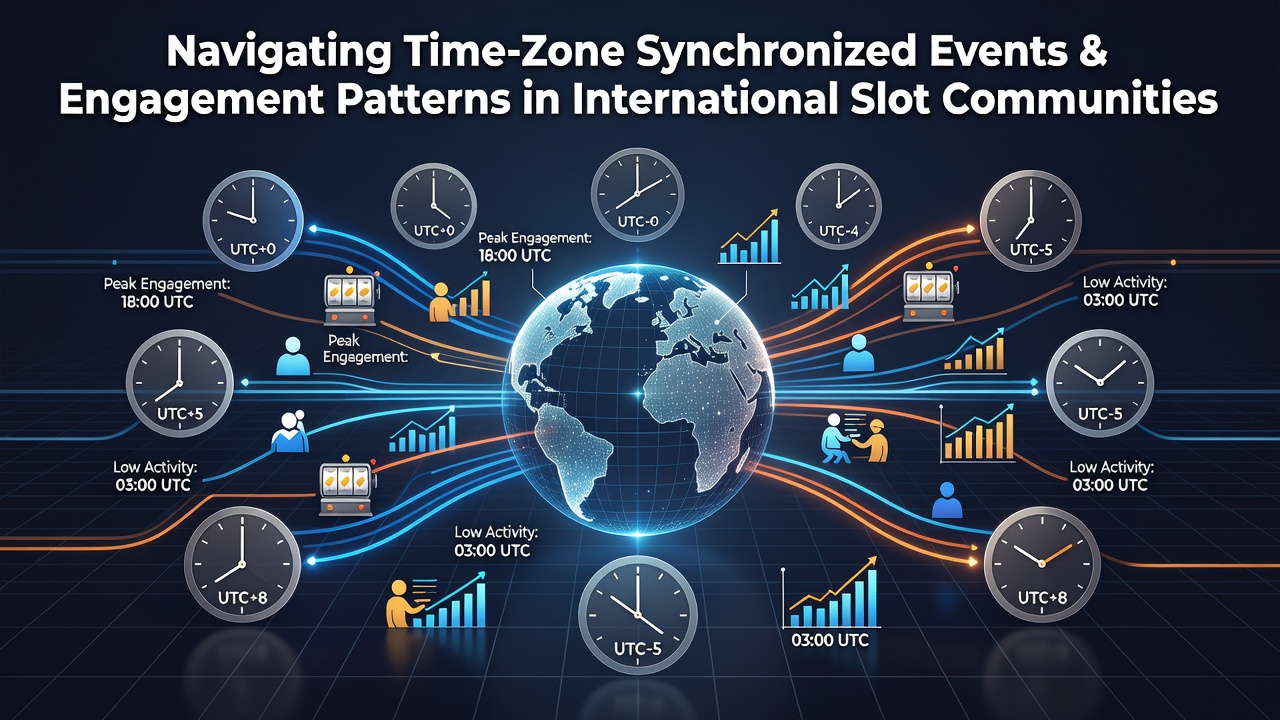
Time Zone Synchronization Challenges Shape Engagement in Global Slot Communities
International slot communities coordinate events across multiple continents through fixed UTC schedules that accommodate players from Asia, Europe, the Americas, and Oceania simultaneously, and operators adjust start times to balance participation while accounting for daylight saving shifts in various jurisdictions. These synchronized tournaments often run for 24 to 72 hours with leaderboard resets at predetermined intervals, creating predictable windows that some regions access during morning hours while others join during late evening or overnight periods.
Mechanics of Cross-Zone Event Coordination
Platform providers publish event calendars in UTC format and integrate automatic conversion tools within their apps, yet players still rely on personal scheduling aids to align local clocks with global start times, and communities on forums and messaging groups share custom countdown widgets that account for regional offsets. Operators release preliminary schedules months ahead, allowing participants to plan around work and family commitments, while real-time notifications adjust for any last-minute changes announced by regulators or technical teams.
Data collected from major platforms indicate that events launched between 14:00 and 18:00 UTC draw broader geographic representation than those confined to narrower windows, because this range overlaps with evening leisure periods in Europe and early afternoon activity in North America. Researchers tracking login metrics across multiple operators have observed that participation from East Asian time zones drops sharply when events fall between 02:00 and 06:00 local time, whereas Australian and New Zealand players show elevated engagement during their morning and midday slots.
Observed Patterns in Player Activity
Engagement metrics reveal consistent regional peaks tied directly to local time rather than event prestige alone, with European players logging in most heavily between 19:00 and 23:00 local time regardless of the UTC anchor, and North American participants concentrating activity between 20:00 and 01:00 in their respective zones. Platforms report that total session duration shortens when events require overnight participation, and repeat login rates decline among users who must stay awake past typical bedtimes.
Studies from industry analytics firms show that tournaments spanning multiple days maintain steadier cumulative engagement than single-day formats because they permit players in distant zones to join during convenient local hours on at least one day. In June 2026 several operators plan staggered start times within the same event series, allowing separate leaderboards for different UTC bands to reduce the disadvantage faced by participants in less favorable zones.

Regional Regulatory and Infrastructure Influences
Regulatory bodies in different jurisdictions impose reporting requirements on session timing and responsible gaming features, which indirectly affects how operators schedule synchronized events, and compliance teams review player activity logs to ensure promotions do not disproportionately target users during vulnerable overnight hours. Platforms serving multiple markets must therefore layer additional safeguards, such as optional time-limit reminders calibrated to each user's registered time zone.
Network latency and payment processing windows also vary by region and can compound the effects of time-zone misalignment, because some banking systems close earlier in the day while others operate around the clock. Players in regions with limited 24-hour financial infrastructure often complete deposits or withdrawals during overlapping business hours, which restricts their ability to join events that begin outside those windows.
Community Tools and Adaptation Strategies
Third-party applications and browser extensions now offer integrated calendars that pull event data directly from operator APIs and convert times automatically, while community moderators compile zone-specific guides that list optimal login windows for each continent. Larger slot forums maintain volunteer-run databases that track historical participation rates by time offset, giving newcomers concrete information about when events historically attract the strongest competition from their region.
Some operators have introduced flexible entry systems that permit players to join mid-event and still compete for secondary prizes, reducing the penalty for those whose local schedules conflict with the primary start time. These adaptations appear in official documentation released by platforms and receive coverage in industry reports published by groups such as the European Gaming and Betting Association.
Conclusion
Time-zone synchronization remains a core operational factor for international slot communities, and ongoing refinements in scheduling, notification systems, and flexible participation options continue to evolve in response to measured engagement data. Observers note that platforms collecting granular regional metrics achieve more consistent turnout across zones, while those relying on single global start times experience recurring drops from certain markets. Continued collaboration between operators, regulators, and player communities supports incremental improvements that address both logistical and behavioral dimensions of cross-zone event design.