Transnational Payment Frameworks Expanding Digital Gaming Reward Access
Bianca Fischer · Jun 24, 2026
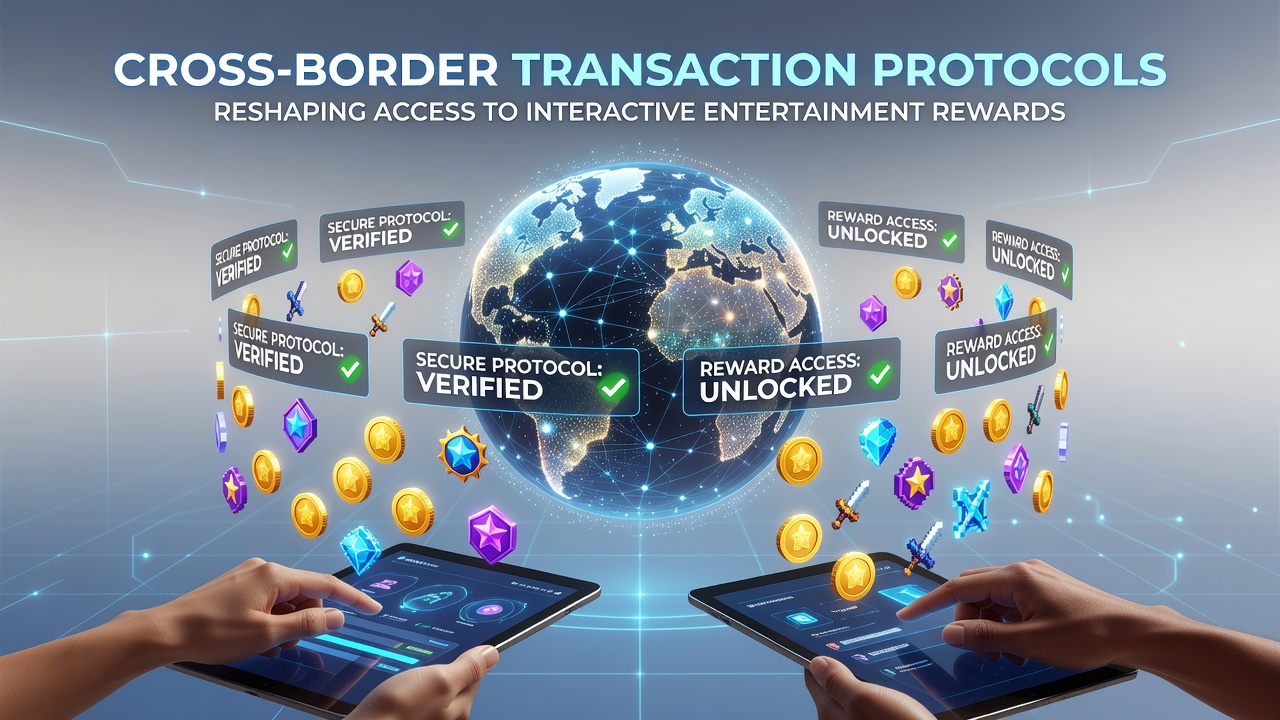
Transnational Payment Frameworks Expanding Digital Gaming Reward Access
Transnational payment frameworks have undergone substantial updates in recent years, with new protocols facilitating smoother movement of funds across national boundaries while aligning with diverse regulatory requirements in interactive entertainment sectors, and these changes directly influence how users obtain rewards on global digital gaming platforms.
Observers note that systems built around standardized messaging formats and verification layers now support faster authorization for cross-jurisdictional transfers, whereas older methods often required multiple intermediaries that added delays and fees, and this evolution stems from collaborative efforts among financial institutions and technology providers.
Core Elements of Updated Protocols
Modern frameworks incorporate real-time settlement capabilities alongside enhanced identity checks that comply with anti-money laundering directives from multiple regions, so participants in digital entertainment environments encounter fewer barriers when claiming bonuses or loyalty points earned through gameplay, while operators benefit from streamlined reconciliation processes that reduce operational overhead.
Data from industry reports indicate these protocols integrate with existing banking rails in North America and Asia-Pacific markets, allowing seamless conversion between local currencies without exposing users to excessive volatility during reward redemption, and researchers at academic institutions have documented corresponding increases in transaction volumes tied to mobile gaming applications.
Regional Variations and Implementation Timelines
European markets adopted harmonized standards earlier than other areas, yet Asia-Pacific jurisdictions introduced complementary rules that took effect around June 2026, creating a more unified environment for reward distribution across borders, and this synchronization has enabled operators to extend incentive programs to previously underserved territories without violating local oversight mandates.
Canadian regulatory bodies and Australian authorities have published guidance documents that align with these international frameworks, which means users in those locations now access tiered bonus structures through verified channels that previously faced restrictions due to inconsistent settlement methods.
Effects on User Engagement and Platform Operations
Platforms report measurable shifts in participation rates following protocol integration, since reward claims that once stalled at border checkpoints now complete within shorter windows, and this reliability encourages repeated interaction with slot titles and live dealer formats that distribute virtual credits or cashback offers.

Case examples from platform analytics reveal that operators who upgraded their systems early captured higher volumes of cross-border activity, whereas those lagging behind experienced temporary dips until compliance upgrades rolled out, and the pattern holds across both established and emerging markets.
Security and Compliance Layers
Encryption standards embedded in these protocols protect sensitive financial data during transfers, while audit trails satisfy reporting obligations required by oversight agencies in various countries, so users maintain confidence that reward redemptions occur within secure environments that meet elevated benchmarks for data integrity.
Trade associations representing gaming technology providers have shared case studies showing reduced dispute rates after adoption, because automated verification catches anomalies before funds move, and this proactive approach minimizes friction for participants who engage with entertainment rewards on a regular basis.
Future Trajectory Based on Current Trends
Continued refinement of these frameworks appears likely, given ongoing collaborations between central banks and private sector entities, and projections from research papers suggest further reductions in processing times that could extend access to additional reward types such as progressive jackpots shared across international player pools.
Evidence from transaction logs demonstrates sustained growth in volumes processed under the new standards, which supports broader participation in interactive entertainment without geographic limitations that once constrained incentive availability.
Conclusion
Cross-border transaction protocols continue to reshape how rewards reach users in digital gaming spaces through improved efficiency and compliance alignment, and stakeholders across regions track these developments to anticipate further expansions in accessible incentive options by the end of the decade.