Understanding Digital Wallet Choices in Licensed Gaming Environments
Zara Schmitz · Aug 12, 2026
Understanding Digital Wallet Choices in Licensed Gaming Environments
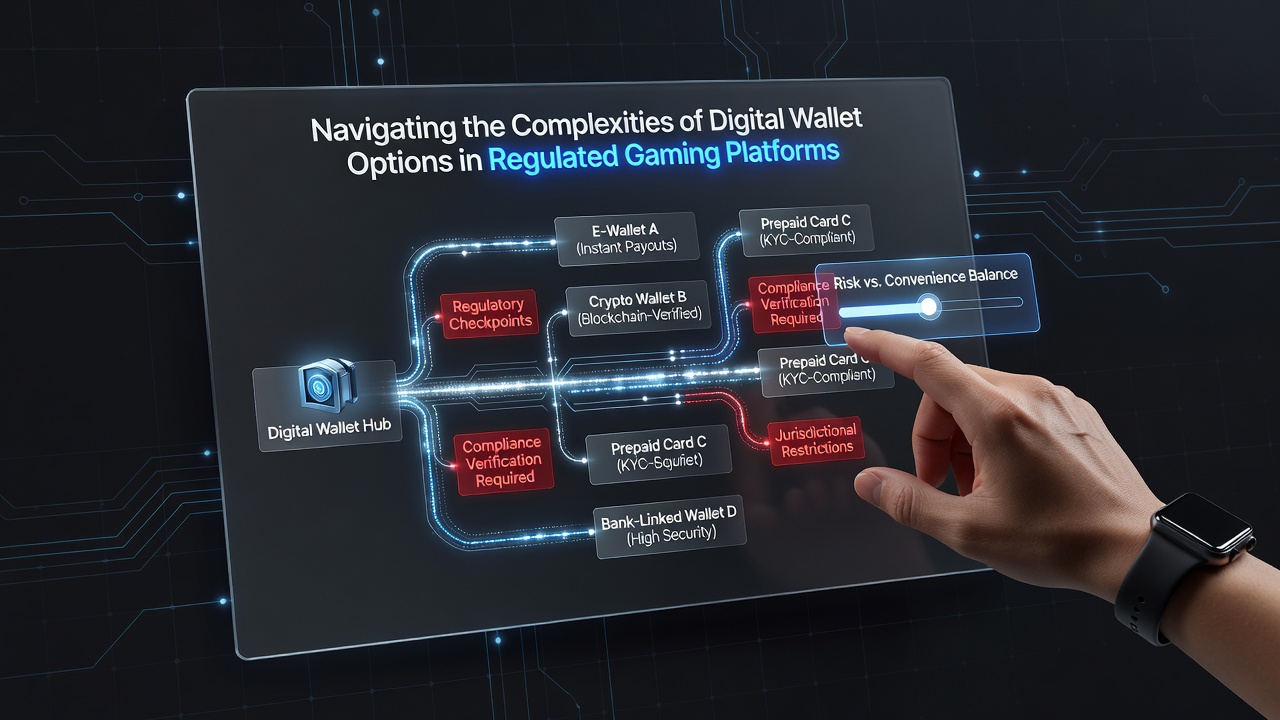
Digital wallet adoption continues to expand across regulated gaming platforms as operators seek efficient payment solutions that meet strict compliance standards, and players look for seamless transaction methods that align with local rules. Multiple jurisdictions have established frameworks that govern which wallets qualify for use, while processing times, fees, and security protocols vary depending on the specific regulatory environment and the wallet provider's licensing status.
Regulatory Frameworks Shaping Wallet Availability
Jurisdictions such as New Jersey and Malta maintain detailed approval processes for digital wallets, requiring providers to demonstrate adherence to anti-money laundering protocols and know-your-customer procedures before integration occurs. These requirements ensure that transactions remain traceable and that operators can verify player identities in real time, which reduces risks associated with unauthorized access or fraudulent activity. Data from the New Jersey Division of Gaming Enforcement indicates that approved wallets must undergo periodic audits to retain their status on licensed platforms.
Additional oversight comes from bodies like the Malta Gaming Authority, whose guidelines cover both traditional e-wallets adn emerging digital currency options, with updates scheduled to take effect in August 2026 that will introduce enhanced transaction monitoring standards. Operators in these regions often restrict wallet choices to those that already hold formal approvals, which streamlines compliance but can limit options for players who prefer less common providers.
Security and Compliance Features Across Wallet Types
Most approved digital wallets incorporate multi-factor authentication, encryption standards, and real-time fraud detection systems that align with gaming-specific regulations. These measures protect player funds during deposits and withdrawals while enabling operators to flag suspicious patterns quickly. Research from industry reports shows that platforms using wallets with built-in compliance tools experience fewer regulatory penalties compared to those relying on manual verification processes.

Players encounter differences in how wallets handle verification requirements, with some services demanding additional documentation during high-volume periods while others integrate directly with government databases for instant checks. This variation influences how quickly accounts become fully operational, particularly in markets where cross-border transactions face extra scrutiny. Those who study payment trends note that wallets supporting automated compliance reporting tend to process gaming-related transfers more reliably across multiple regions.
Transaction Speed and Fee Structures in Practice
Processing times for deposits typically range from instant to several hours depending on the wallet and the platform's internal systems, whereas withdrawals often require one to five business days once verification clears. Fee structures differ as well, with some wallets charging percentage-based costs on transactions while others apply flat rates or absorb fees through partnerships with operators. Observers note that players in highly regulated markets frequently compare these details before selecting a primary wallet, since cumulative costs can affect overall returns over extended play periods.
Regional policies also influence which currencies wallets can handle without conversion penalties, and operators must adjust their offerings accordingly to remain competitive. In cases where multiple wallet options exist on a single platform, the choice often comes down to balancing speed against cost, especially for frequent depositors who move larger amounts.
Emerging Trends and Integration Challenges
Integration of newer wallet technologies continues at a measured pace in regulated environments, where testing and approval cycles can extend several months before full rollout. Platforms must verify that each new option meets data protection standards and does not introduce vulnerabilities into existing payment flows. Case studies from operators in multiple jurisdictions reveal that phased introductions, starting with limited player groups, help identify issues before wider deployment.
Wallet providers themselves adapt by offering specialized gaming modules that automate reporting and restrict certain transaction types automatically. These adaptations reduce the administrative burden on operators while maintaining the level of oversight required by regulators. Data shows that platforms incorporating such modules report smoother audits and fewer compliance interruptions.
Conclusion
Selection of digital wallets for regulated gaming platforms depends on a combination of regulatory approval, security capabilities, processing efficiency, and cost considerations that differ by jurisdiction. As standards evolve, particularly with changes anticipated in August 2026, both operators and players benefit from staying informed about which options maintain compliance across borders. This ongoing alignment between technology and regulation supports secure, transparent transactions within the licensed gaming sector.